
 The Spiritual City
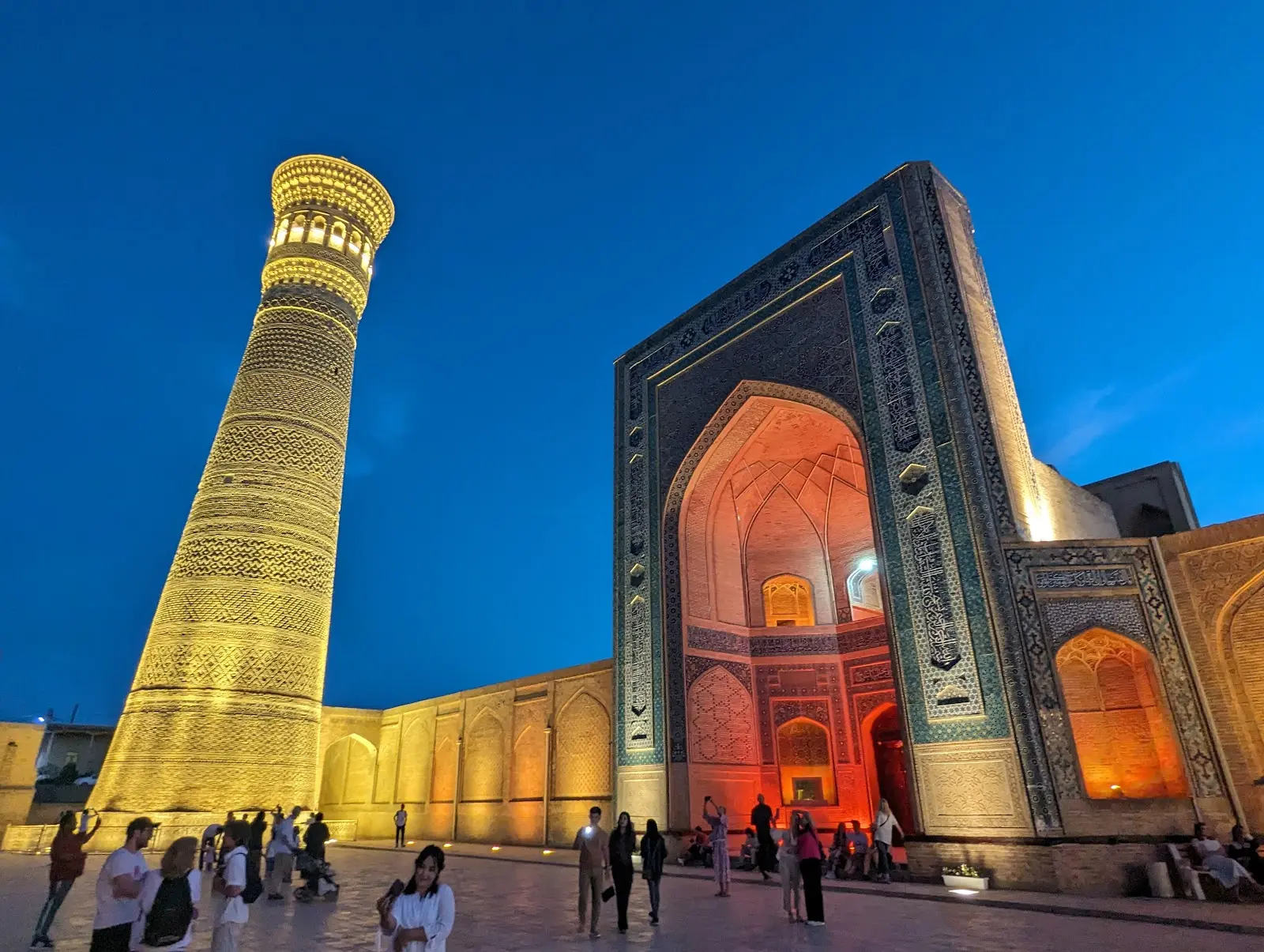
Poi-Kalyan Complex
The defining architectural symbol of Bukhara: the towering 48-meter Kalyan Minaret, the monumental Friday Mosque, and the active Mir-i-Arab Madrasa framing an awe-inspiring stone plaza.
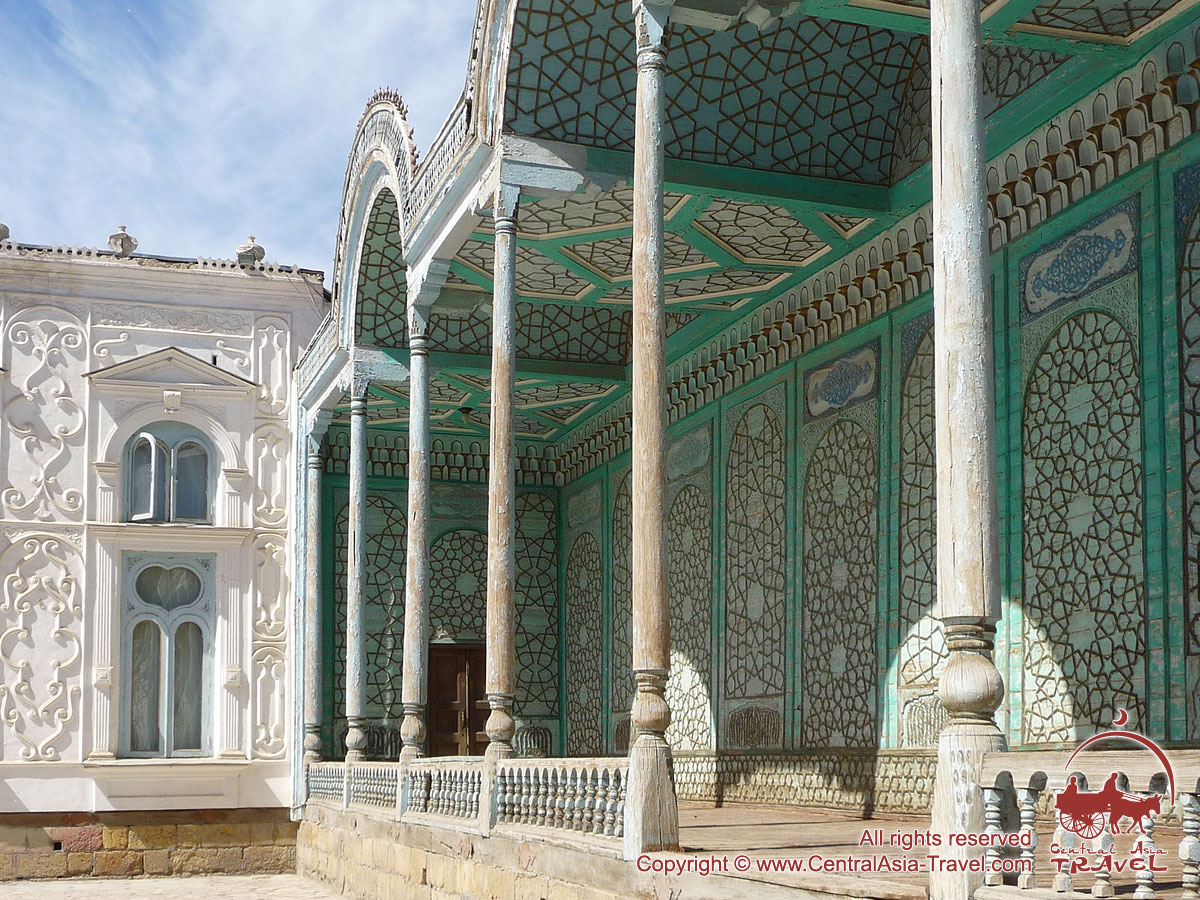
The Palace of Moon-like Stars
The enchanting summer retreat of the last Emirs of Bukhara: a fascinating fusion of traditional Oriental plaster carving and Russian Tsarist palace opulence.
4 km north of Bukhara city center
Royal Summer Palace
1912 – 1918 CE
Mir Sayyid Alim Khan (Last Emir of Bukhara)
Summer residence of the Emir
2 hours
Sitora-i-Mokhi-Khosa (meaning 'Palace Like the Stars and the Moon') was the countryside pleasure palace of the last ruling Emir of Bukhara. It presents an astonishing blend of European imperial architecture and Uzbek craftsmanship, surrounded by shady rose gardens and peacocks.
Constructed between 1912 and 1918 by order of Mir Sayyid Alim Khan. Earlier palace buildings on the site were established by his father, Abdulahad Khan, in the 1890s.
Built by master Bukharian craftsmen (led by legendary carver Usto Shirin Muradov) collaborating with Russian engineers, creating a palace capable of hosting foreign dignitaries in St. Petersburg-style luxury.
The Emir's private summer getaway to escape the suffocating heat of the city, conduct lavish banquets, and house the royal court and harem away from public eyes.
An engaging chronological story of how this monument survived invasions, earthquakes, and civilizational shifts.
According to court legend, to find the coolest spot to build the palace, the Emir's doctors hung carcasses of fresh mutton in various locations around Bukhara. The location where the meat stayed fresh longest was chosen as the site. In 1920, the Emir fled from this palace as the Red Army advanced, escaping into Afghanistan.
What to observe when standing before this monument or workshop.
The highlight is the White Hall: carved alabaster (ganch) applied over mirrored panels, created by Usto Shirin Muradov over two years. The palace also features Dutch tiled heating stoves, Venetian mirrors, Belgian crystal chandeliers, and an open pool Pavilion for the royal harem.
Sensory activities specifically relevant to this site.
Stand in the dazzling mirrored hall where translucent alabaster lace is mounted over mirrors.
Stroll through the shaded fruit orchard and rose garden where white peacocks roam freely.
View authentic heavy gold-embroidered velvet coats (chapans) worn by the Emirs and courtiers.
The historical, spiritual, or trade insights that deepen your understanding of Central Asia.
How late 19th-century Central Asian elites adopted European styles while preserving ancestral plaster and tile crafts.
The fascinating, bittersweet final days of the Bukhara Emirate before it vanished into modern history.
Teahouses, spice shops, artisan stalls, and quiet courtyards in the surrounding mahallas.
Located just a 10-minute taxi ride north of the city center. The surrounding rural avenue is famous for shashlik restaurants and roadside fruit orchards.
Explore other regional landmarks that share historical or geographic connections with this site.
The Spiritual CityThe defining architectural symbol of Bukhara: the towering 48-meter Kalyan Minaret, the monumental Friday Mosque, and the active Mir-i-Arab Madrasa framing an awe-inspiring stone plaza.
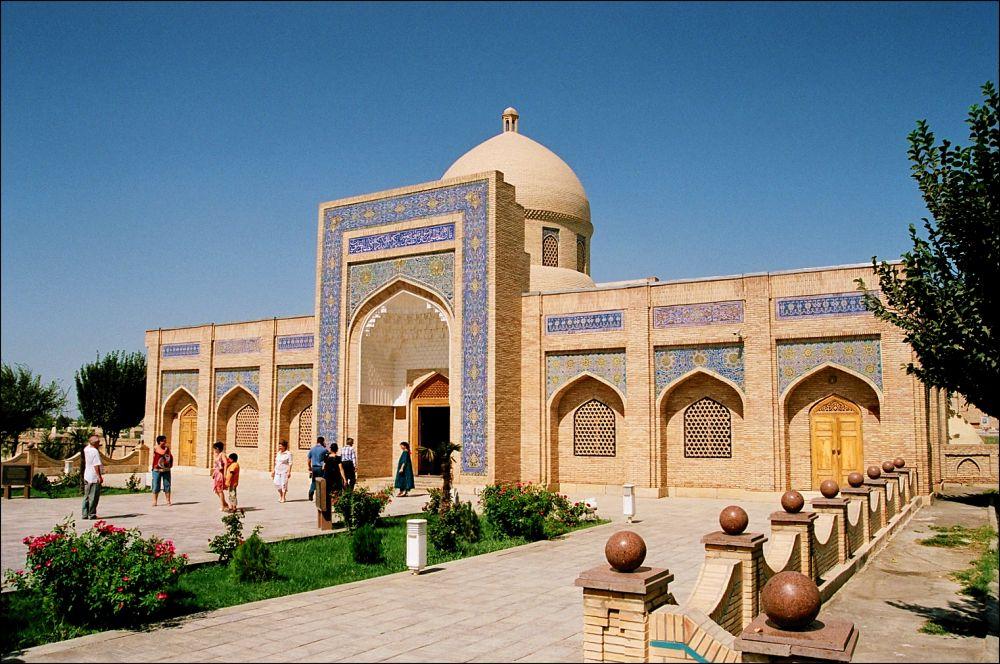 The Spiritual City
A serene and revered pilgrimage sanctuary dedicated to the founder of the Naqshbandi Sufi order, surrounded by sacred gardens and holy mulberry trees.
Looking for something beyond this monument? Discover a completely different historical, merchant, or craft dimension.
The defining architectural symbol of Bukhara: the towering 48-meter Kalyan Minaret, the monumental Friday Mosque, and the active Mir-i-Arab Madrasa framing an awe-inspiring stone plaza.
Bukhara’s most atmospheric open-air gathering place: a tranquil 17th-century stone pond shaded by centuries-old mulberry trees and framed by monumental madrasas.
.jpg)
Include this historic landmark in a private or small-group journey connecting ancient Silk Road trading cities with Nuratau Mountain homestays.