
 The Spiritual City
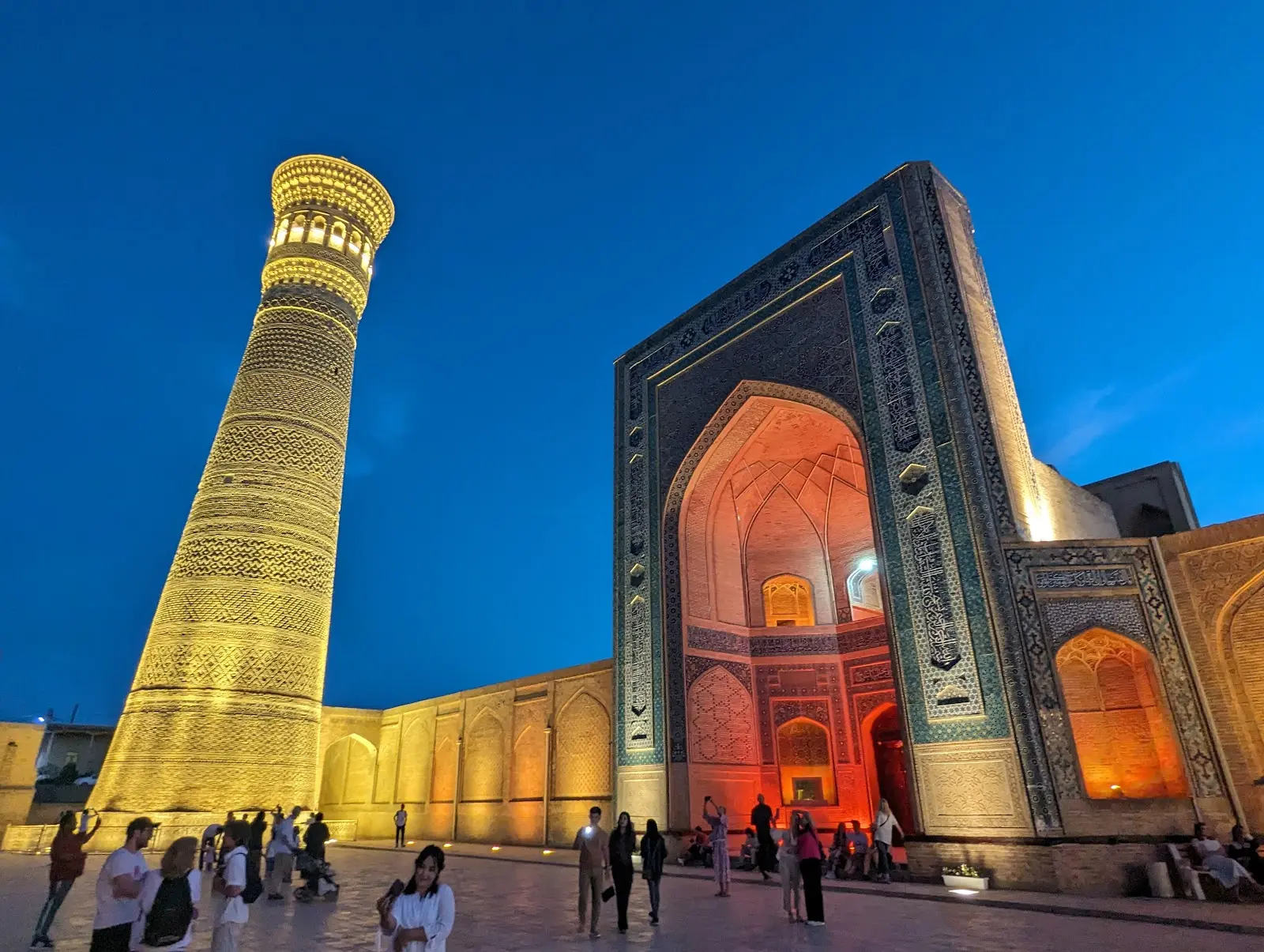
Poi-Kalyan Complex
The defining architectural symbol of Bukhara: the towering 48-meter Kalyan Minaret, the monumental Friday Mosque, and the active Mir-i-Arab Madrasa framing an awe-inspiring stone plaza.
Archaeological Layers Beneath the City
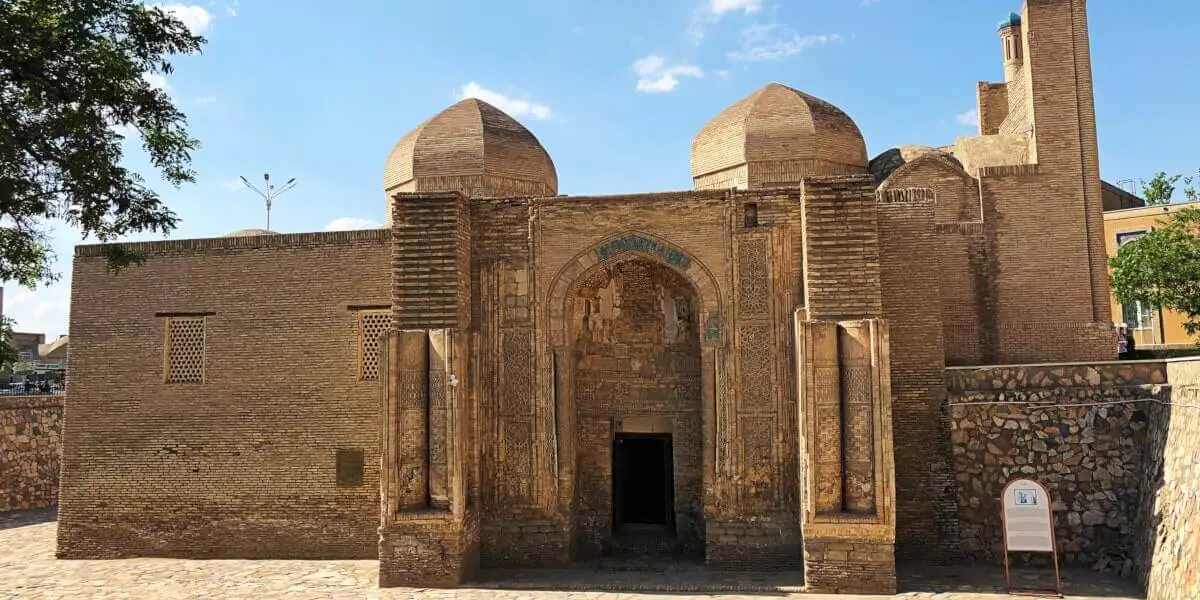
The oldest surviving mosque in Central Asia, standing 4.5 meters below modern street level on the site of a pre-Islamic Zoroastrian Moon Temple.
Center of Old Town
Subterranean Mosque
9th Century foundations; 12th Century portal; 16th Century roof
Early Islamic governors on the site of the ancient Moh Temple
Zoroastrian temple
1 hour
Magoki Attori (meaning 'Mosque in the Pit of the Perfume Merchants') is an extraordinary archaeological time capsule. Situated deep below the current street grade, it demonstrates how layers of civilizational history accumulated in Bukhara over two millennia.
Built in the 9th to 10th century over the ruins of an ancient Zoroastrian fire and moon temple (Bazaar-i-Moh). The exquisite southern carved brick portal dates to the 12th-century Karakhanid era.
Constructed during the Arab conquest and Samanid period to establish Islam while repurposing an ancient holy site where merchants once gathered twice a year to trade wooden idols and perfumes.
A functioning mosque embedded directly in the herbal, spice, and apothecary market, renowned as a place of mutual tolerance where local Jewish and Muslim residents historically shared worship spaces during certain periods.
An engaging chronological story of how this monument survived invasions, earthquakes, and civilizational shifts.
By the 1920s, centuries of desert dust and urban debris had buried the building up to its roof domes. In the 1930s, excavations revealed the pristine 12th-century southern façade preserved in the earth like an archaeological treasure.
What to observe when standing before this monument or workshop.
The southern entrance features carved terracotta plaques, polished brick mosaic, glazed turquoise ceramic plugs, and stalactite vaulting that represents the apex of pre-Mongol decorative art.
Sensory activities specifically relevant to this site.
Walk down the stone staircase 4.5 meters below modern street level to feel the cool ancient air.
Examine the delicate basket-weave relief carvings on the portal columns.
Inside, view rare nomadic Turkoman, Uzbek, and Persian antique carpets woven with natural dyes.
The historical, spiritual, or trade insights that deepen your understanding of Central Asia.
How ancient cities rise in elevation over millennia as clay brick disintegrates and new structures are built atop the old.
The transition from Zoroastrian fire-worship and Sogdian idol-making to Islamic urban civilization.
Teahouses, spice shops, artisan stalls, and quiet courtyards in the surrounding mahallas.
Located in the pedestrian heart of the Old Town, flanked by spice stalls and copper-beating workshops.
Explore other regional landmarks that share historical or geographic connections with this site.
The Spiritual CityThe defining architectural symbol of Bukhara: the towering 48-meter Kalyan Minaret, the monumental Friday Mosque, and the active Mir-i-Arab Madrasa framing an awe-inspiring stone plaza.
 The City of Merchants
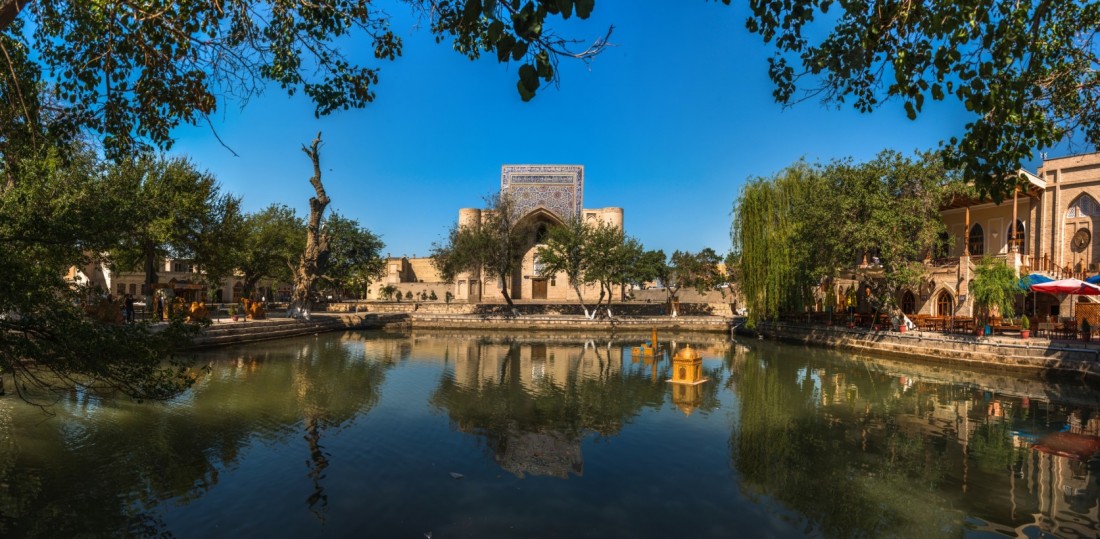
Bukhara’s most atmospheric open-air gathering place: a tranquil 17th-century stone pond shaded by centuries-old mulberry trees and framed by monumental madrasas.
 The City of Merchants
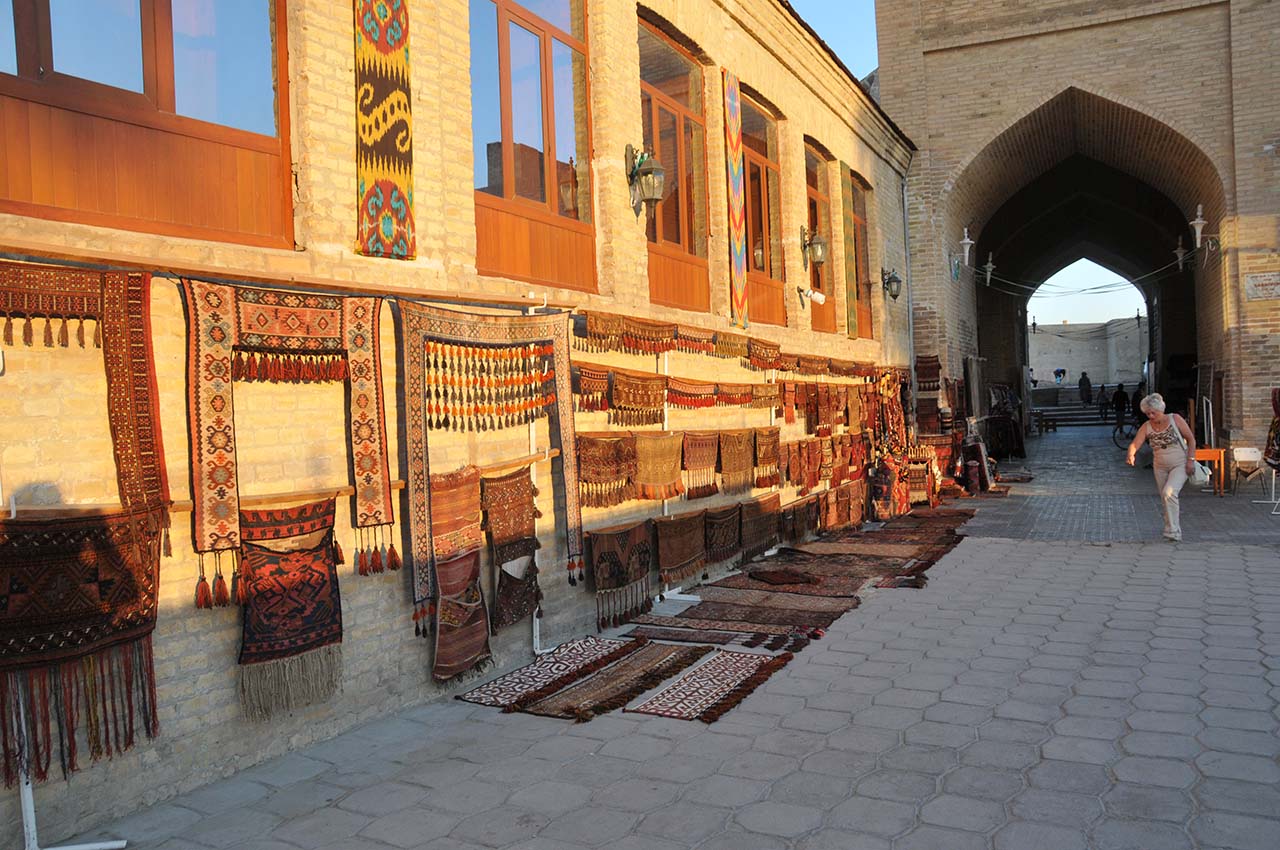
Three surviving multi-domed 16th-century crossroads (Toqi Zargaron, Toqi Telpak Furushon, Toqi Sarrofon) where caravans once bartered silk, gems, and currency.
Looking for something beyond this monument? Discover a completely different historical, merchant, or craft dimension.
A massive 5th-century fortress rising like an earthen mountain in the center of Bukhara, from which the rulers of the Emirate governed their desert empire.
Bukhara’s most atmospheric open-air gathering place: a tranquil 17th-century stone pond shaded by centuries-old mulberry trees and framed by monumental madrasas.
.jpg)
Include this historic landmark in a private or small-group journey connecting ancient Silk Road trading cities with Nuratau Mountain homestays.