
 The Spiritual City
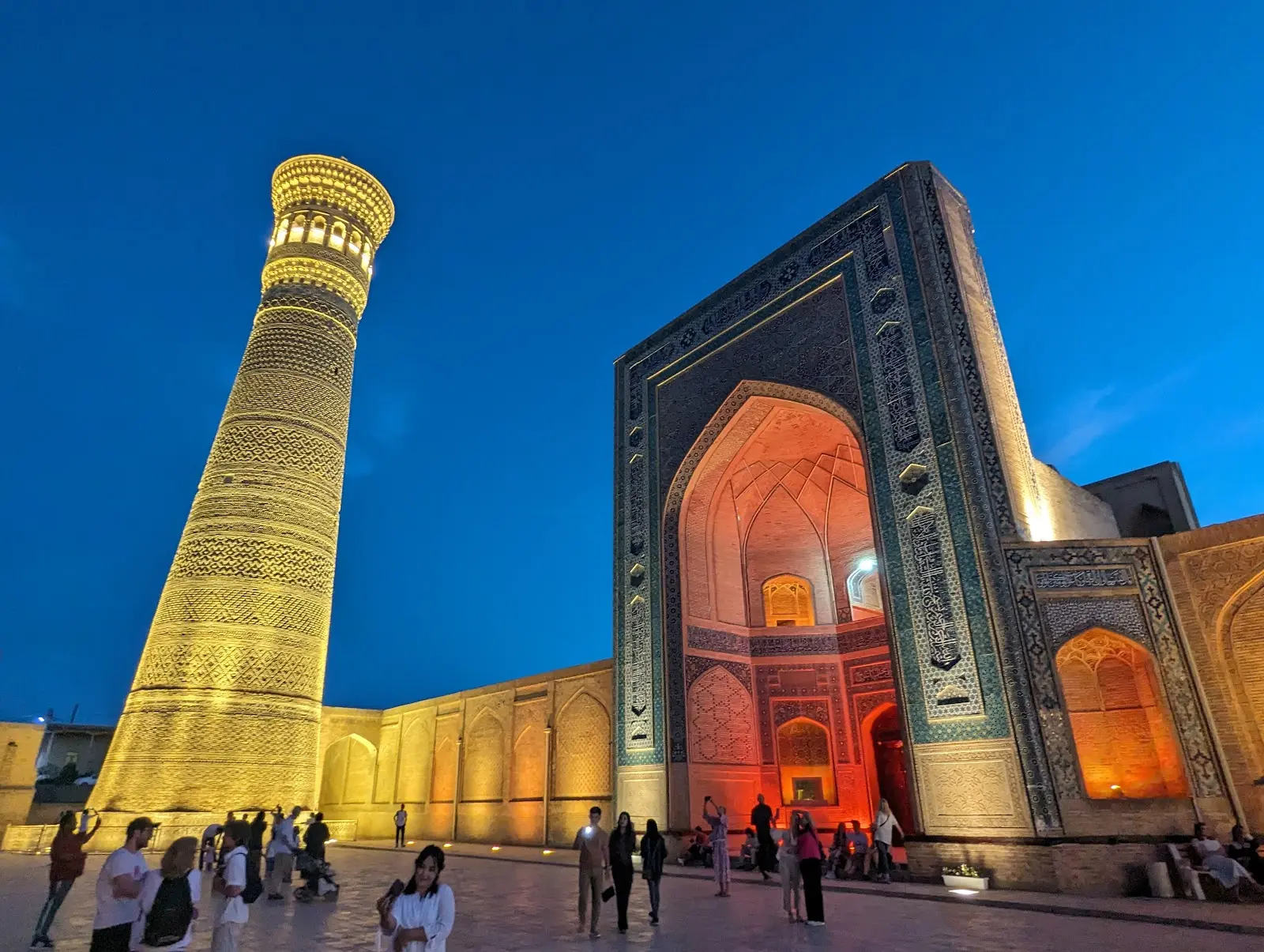
Poi-Kalyan Complex
The defining architectural symbol of Bukhara: the towering 48-meter Kalyan Minaret, the monumental Friday Mosque, and the active Mir-i-Arab Madrasa framing an awe-inspiring stone plaza.
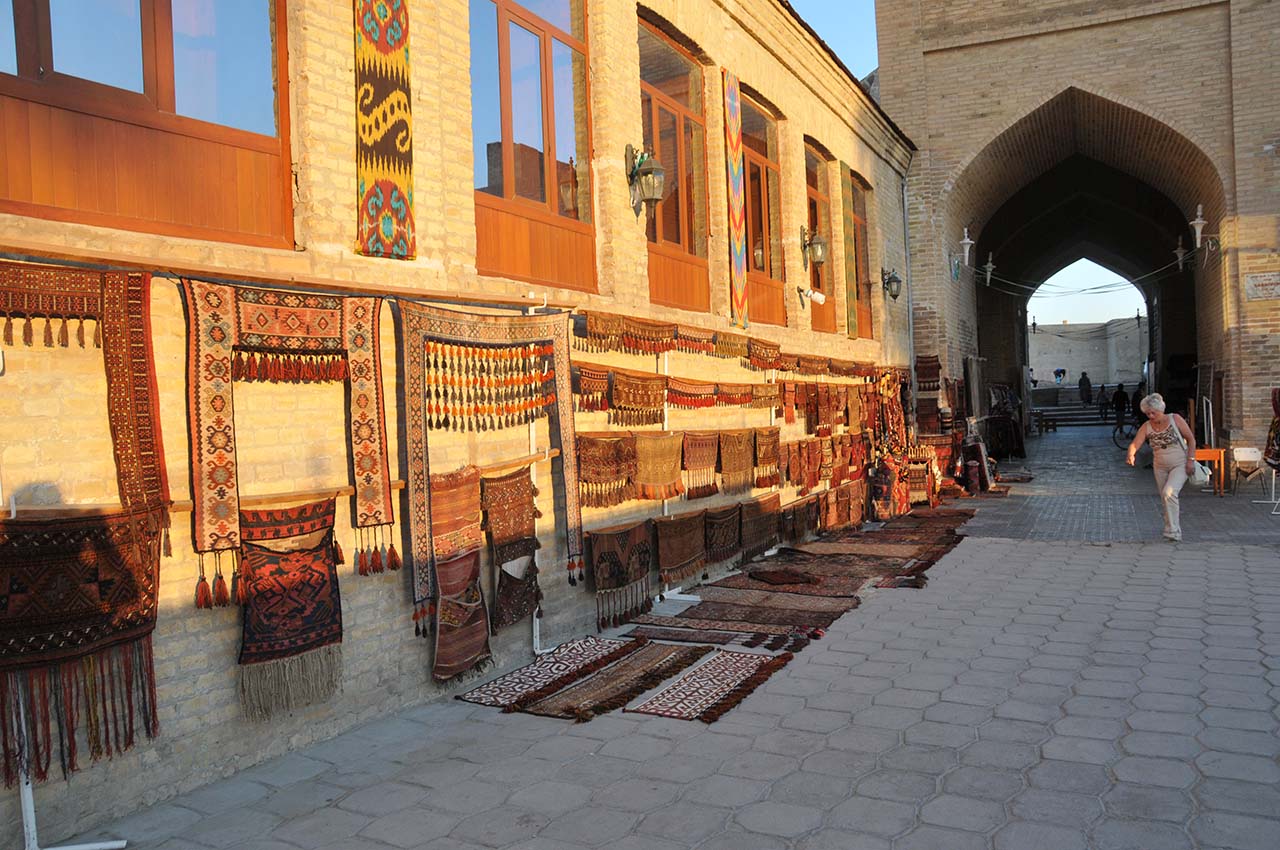
The Medieval Covered Bazaars
Three surviving multi-domed 16th-century crossroads (Toqi Zargaron, Toqi Telpak Furushon, Toqi Sarrofon) where caravans once bartered silk, gems, and currency.
Spanning the central pedestrian artery of Old Bukhara
Covered Commercial Crossroad Architecture
1560 – 1585 CE
Abdullah Khan II (Shaybanid Ruler)
Specialized trading markets
2 – 3 hours of leisurely exploration
The Trading Domes (Toqi) are magnificent covered intersections built of thick baked brick, designed to shield merchants, pack animals, and travelers from the fierce desert sun. Of the original five domes, three major complexes remain actively used today: Toqi Zargaron (Jewelers), Toqi Telpak Furushon (Cap Makers), and Toqi Sarrofon (Money Changers).
Constructed in the second half of the 16th century under Shaybanid ruler Abdullah Khan II, who reorganized Bukhara’s trade guilds and urban economy into specialized commercial hubs.
Built by imperial decree to maximize tax revenues, provide fireproof brick storage for high-value Silk Road imports, and keep commercial avenues cool in scorching summers.
Each dome was strictly specialized: Toqi Sarrofon housed money changers who converted currencies for merchants from Venice, Moscow, Isfahan, and Delhi; Toqi Zargaron housed master goldsmiths; and Toqi Telpak Furushon sold karakul sheepskin hats and turbans.
An engaging chronological story of how this monument survived invasions, earthquakes, and civilizational shifts.
Caravans loaded with porcelain, rhubarb, tea, lapis lazuli, and furs unloaded their wares into the surrounding caravanserais. The trading domes operated under strict guild codes with appointed market inspectors (Rais) ensuring fair weights, measures, and honest pricing.
What to observe when standing before this monument or workshop.
The domes are architectural marvels: large central vaults supported by massive octagonal or hexagonal piers, pierced by high lantern windows that channel refreshing desert breezes while keeping direct sunlight out.
Sensory activities specifically relevant to this site.
Touch genuine silk embroideries, hand-knotted wool rugs, and silver filigree jewelry.
Follow the stone street connecting the three domes, observing active copper smiths and woodcarvers.
Sample mountain saffron, green tea blends, dried pomegranates, and Bukharian halva.
The historical, spiritual, or trade insights that deepen your understanding of Central Asia.
How guild masters (aksakals) maintained quality standards, apprentice training, and international credit.
How high brick domes create natural thermal convection currents to drop ambient summer temperatures by 10°C.
Teahouses, spice shops, artisan stalls, and quiet courtyards in the surrounding mahallas.
Step into the historic Tim Abdullah Khan (1577), an immense covered silk market, or visit a working 16th-century hamam (bathhouse) nearby.
Explore other regional landmarks that share historical or geographic connections with this site.
The Spiritual CityThe defining architectural symbol of Bukhara: the towering 48-meter Kalyan Minaret, the monumental Friday Mosque, and the active Mir-i-Arab Madrasa framing an awe-inspiring stone plaza.
 The City of Merchants
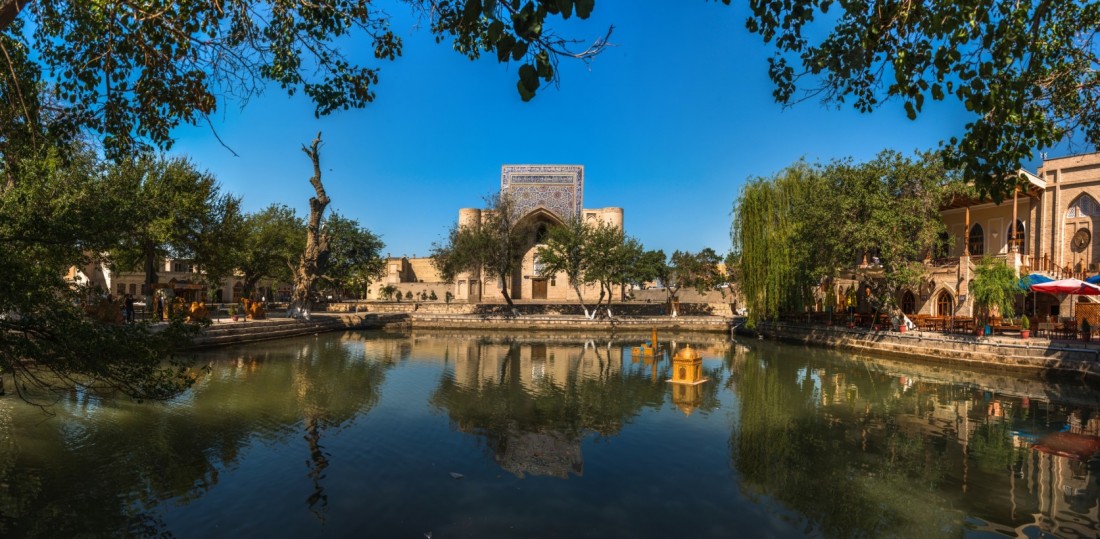
Bukhara’s most atmospheric open-air gathering place: a tranquil 17th-century stone pond shaded by centuries-old mulberry trees and framed by monumental madrasas.
 The Spiritual City
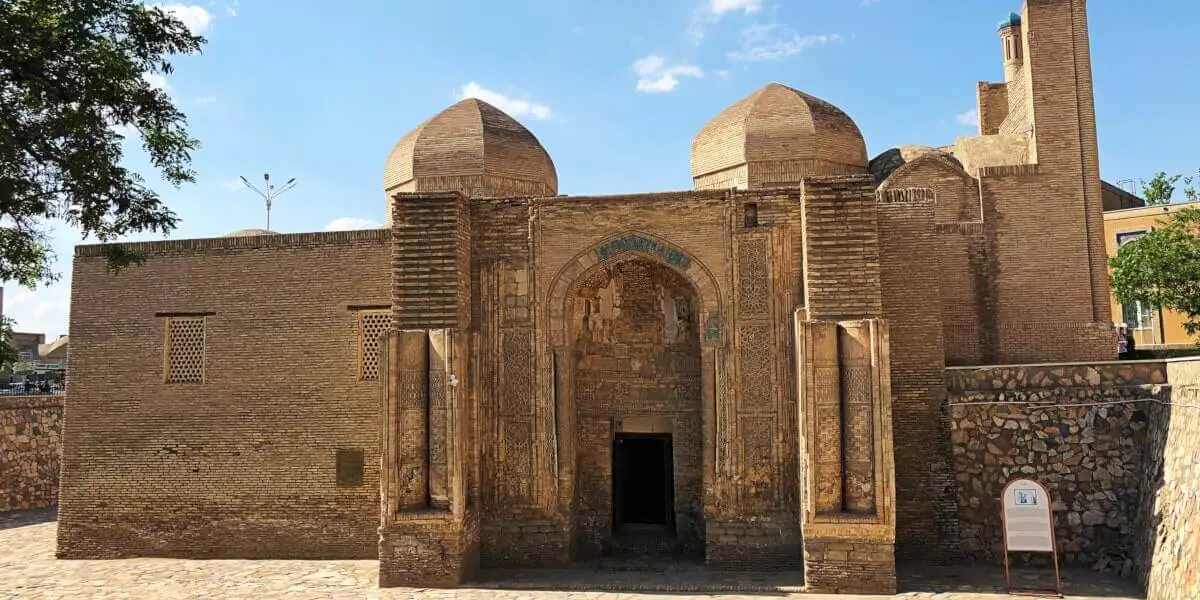
The oldest surviving mosque in Central Asia, standing 4.5 meters below modern street level on the site of a pre-Islamic Zoroastrian Moon Temple.
Looking for something beyond this monument? Discover a completely different historical, merchant, or craft dimension.
The defining architectural symbol of Bukhara: the towering 48-meter Kalyan Minaret, the monumental Friday Mosque, and the active Mir-i-Arab Madrasa framing an awe-inspiring stone plaza.
A massive 5th-century fortress rising like an earthen mountain in the center of Bukhara, from which the rulers of the Emirate governed their desert empire.
.jpg)
Include this historic landmark in a private or small-group journey connecting ancient Silk Road trading cities with Nuratau Mountain homestays.