
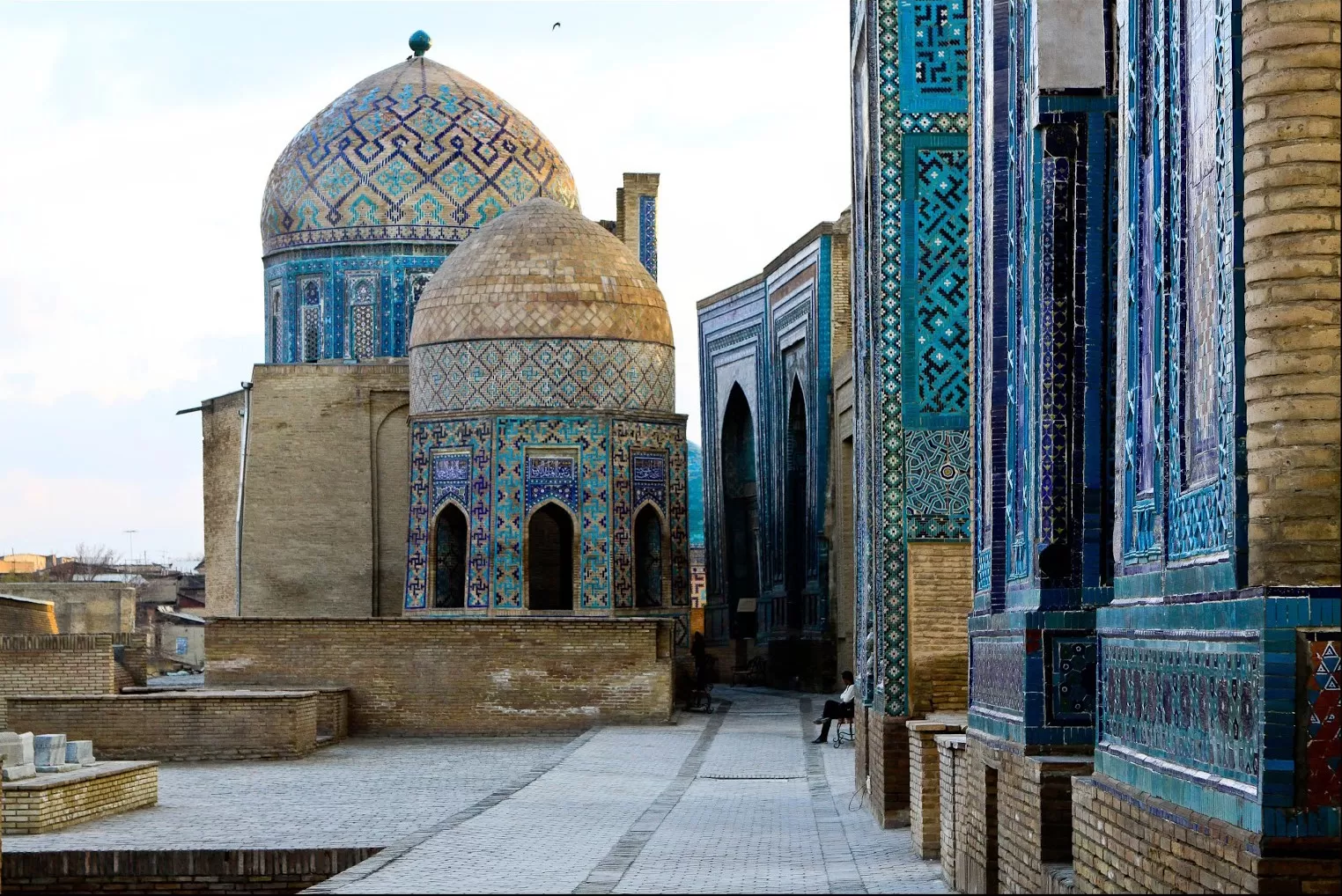
 Timurid Samarkand
Shah-i-Zinda
A sacred hillside necropolis boasting the most exquisite cobalt, turquoise, and lapis lazuli tilework in the entire Islamic world.
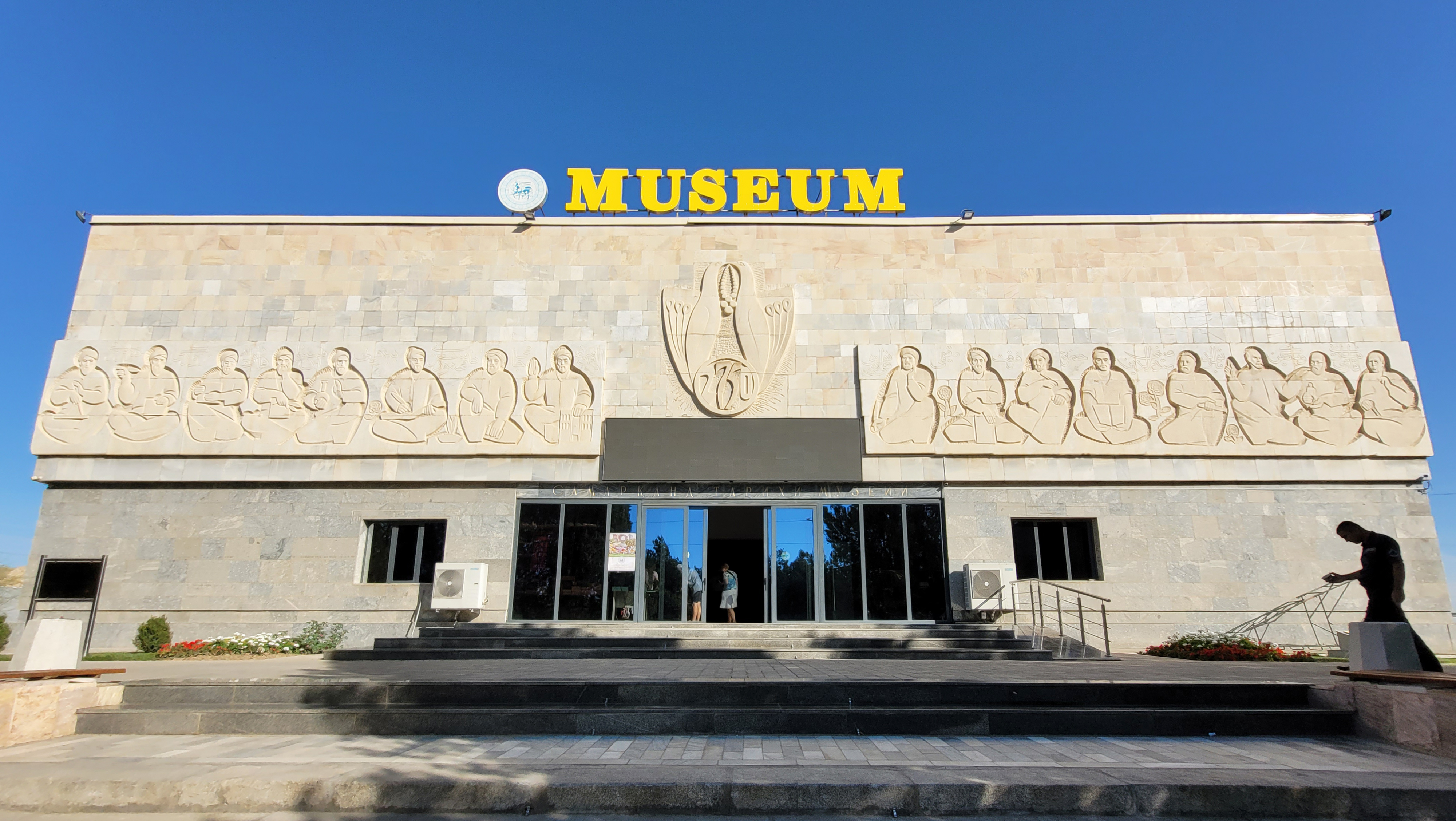
Ancient Sogdian Marakanda
The birthplace of Samarkand: an undulating 200-hectare archaeological hill preserving 2,500 years of Sogdian, Persian, and Hellenistic urban history.
Northern Samarkand
Ancient Settlement Tell
8th Century BCE – 1220 CE
Sogdian and Persian ancient rulers
Fortified urban capital of Sogdiana and Silk Road trading hub
2 hours
Afrasiab is the ancient site of Samarkand, destroyed by Genghis Khan in 1220. The modern museum on-site houses the famous 7th-century 'Hall of the Ambassadors' frescoes, depicting emissaries from China, Korea, Persia, and Chaganian presenting gifts to the Sogdian King Varkhuman.
Founded around the 8th to 7th century BCE. Alexander the Great captured the citadel in 329 BCE when it was known as Marakanda. It thrived as the epicenter of Sogdian commerce until the Mongol siege.
Sogdian merchants and princes who managed the vast overland trade corridors between Chang'an and Constantinople. They created sophisticated urban planning with terracotta water pipes, bathhouses, and fortified citadels.
A cosmopolitan capital, trading terminal, and religious sanctuary where Zoroastrianism, Manichaeism, Buddhism, and Nestorian Christianity peacefully coexisted.
An engaging chronological story free from dry textbook jargon, focusing on how this place influenced the Silk Road.
After the Mongol conquest destroyed the city's complex clay aqueduct system, survivors abandoned the hilltop settlement and rebuilt downhill where modern Samarkand stands today. Excavations since the late 19th century have revealed layers of Sogdian palace life.
What to notice and look for when standing before this site.
The museum’s centerpiece is the 7th-century wall painting: see Chinese princesses on boats, diplomatic envoys carrying silk bolts and bird feathers, and royal court riders. Outside, you can walk the ancient earthen ramparts overlooking the valley.
Activities and sensory experiences specifically relevant to this site.
Admire the preserved pigments showing Sogdian fashion, diplomatic rituals, and Silk Road trade.
Climb through the rolling earthen mounds to understand ancient defensive strategy.
View terracotta bone receptacles decorated with guardian beasts and fire altars.
The historical, scientific, or cultural takeaways that enrich your understanding of Central Asia.
How Sogdian merchants acted as the indispensable linguists and financiers of the entire Trans-Eurasian trade network.
How peaceful coexistence of diverse faiths defined Central Asia prior to the 10th century.
Recommendations for teahouses, bakeries, artisan workshops, and walks in the surrounding neighborhood.
Directly adjacent to Shah-i-Zinda necropolis and Hazrat Khizr Mosque. Ideal to combine in a morning historical exploration.
Explore other regional landmarks that share historical or geographic connections with this site.
Timurid SamarkandA sacred hillside necropolis boasting the most exquisite cobalt, turquoise, and lapis lazuli tilework in the entire Islamic world.
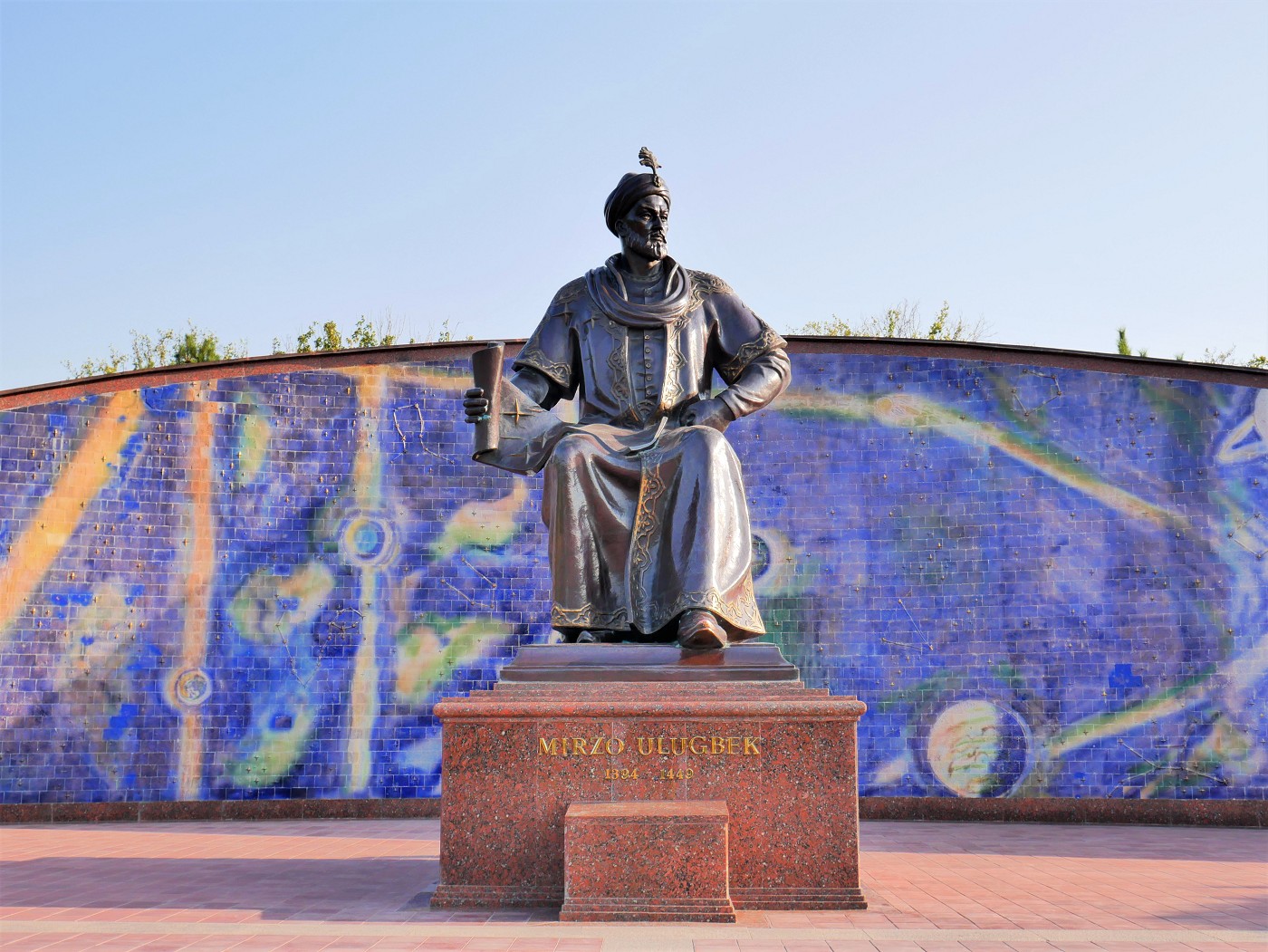 Timurid Samarkand
The remnants of a colossal 15th-century astronomical sextant that calculated the length of the stellar year with near-atomic precision.
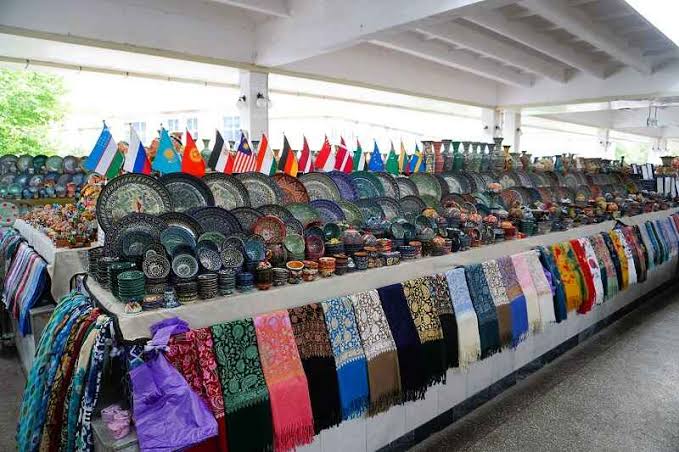 Living Samarkand
Central Asia’s most vibrant covered trading bazaar: stacks of golden Samarkand bread, dried apricots, mountain honey, and mountain spices.
Looking for something beyond this monument? Discover a completely different historical or natural dimension of the region.
One of the world’s most breathtaking public squares, framed by three monumental tiled madrasas that established Samarkand as a global center of science and faith.
A sacred hillside necropolis boasting the most exquisite cobalt, turquoise, and lapis lazuli tilework in the entire Islamic world.
.jpg)
Include this landmark in a customized private or small-group journey combining ancient cities with Nuratau Mountain homestays.