
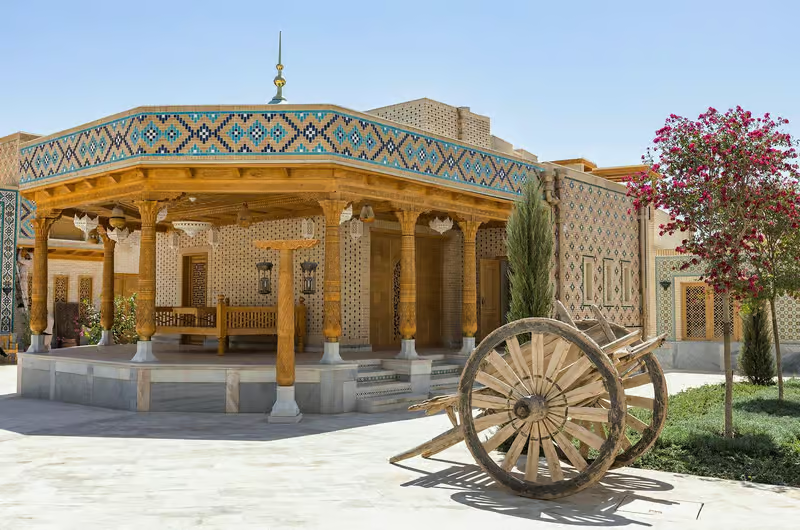
 Living Samarkand
Konigil Traditional Paper Workshop
A tranquil riverside mill where the ancient art of making silk-smooth, archival mulberry paper is kept alive using water-powered wooden hammers.
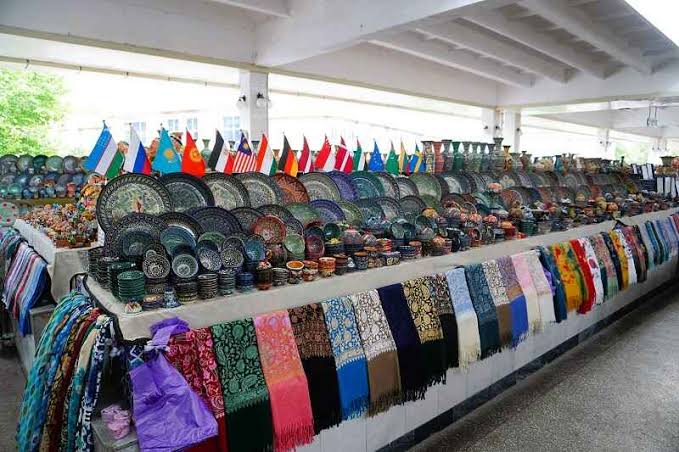
Ancient Plane Trees and Artisan Markets
A captivating regional getaway at the foot of the mountains: the famous Sunday textile bazaar paired with a thousand-year-old grove of giant plane trees.
Urgut town
Regional Artisan Bazaar
Platane trees 1,000+ years old; bazaar active centuries
Urgut artisan guilds and local Sufi teachers
Regional textile exchange
3 – 4 hours
Urgut offers a dynamic dual experience: first, the legendary Urgut Bazaar, famous for hand-stitched suzani embroideries, antique carpets, and forged knives; second, Chor-Chinor ('Four Plane Trees'), a magical garden shaded by fifty colossal chinor trees fed by a crystalline mountain spring.
The oldest trees in Chor-Chinor have been carbon-dated to over 1,100 years old. Urgut itself has served as a mountain trading outpost between the Samarkand oasis and the southern mountains for centuries.
Planted by medieval Sufi masters who established a quiet retreat (khanaqah) for spiritual instruction in the hollowed trunks of the living trees.
A nexus where mountain artisans brought their wool, woven blankets, and pottery to trade with lowland merchants, while Chor-Chinor provided a sanctuary for contemplative reflection.
An engaging chronological story free from dry textbook jargon, focusing on how this place influenced the Silk Road.
Urgut has always had an fiercely independent cultural identity, known throughout Central Asia for master blacksmiths and women who embroider the most sought-after suzani tapestries. At Chor-Chinor, one hollow tree trunk is so vast it historically housed a functional schoolroom for ten students.
What to notice and look for when standing before this site.
A vivid sensory contrast: vibrant market stalls overflowing with vintage silk thread, heavy ceramic bowls, and copper pots, followed by the deep, tranquil shade and whispering spring waters of the ancient grove.
Activities and sensory experiences specifically relevant to this site.
Bargain directly with village embroidery masters for hand-dyed silk-on-cotton wall hangings.
Step inside the cavernous hollow of an 1,100-year-old plane tree that once served as a classroom.
Try succulent mountain lamb kebabs renowned for aromatic herbs picked in the high pastures.
The historical, scientific, or cultural takeaways that enrich your understanding of Central Asia.
Reading the pomegranate (fertility), sun disc (protection), and pepper (warding off evil) patterns.
How ancient Central Asians venerated living water springs and giant trees as sacred gifts of nature.
Recommendations for teahouses, bakeries, artisan workshops, and walks in the surrounding neighborhood.
From Urgut, scenic mountain roads lead over the Takhta-Karacha pass toward Shakhrisabz, the birthplace of Timur.
Explore other regional landmarks that share historical or geographic connections with this site.
Living SamarkandA tranquil riverside mill where the ancient art of making silk-smooth, archival mulberry paper is kept alive using water-powered wooden hammers.
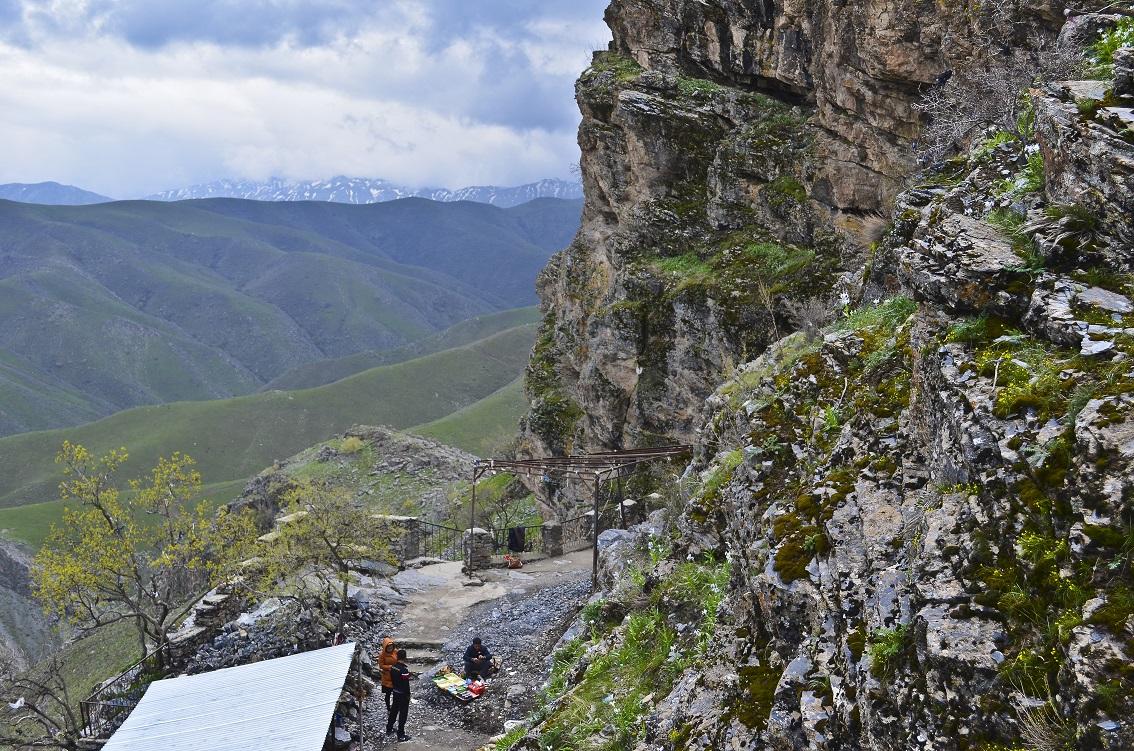 Natural Samarkand
A sacred cave shrine nestled in the high cliffs of the Zarafshan range, reached by ascending over 1,500 rock-hewn steps with sweeping mountain vistas.
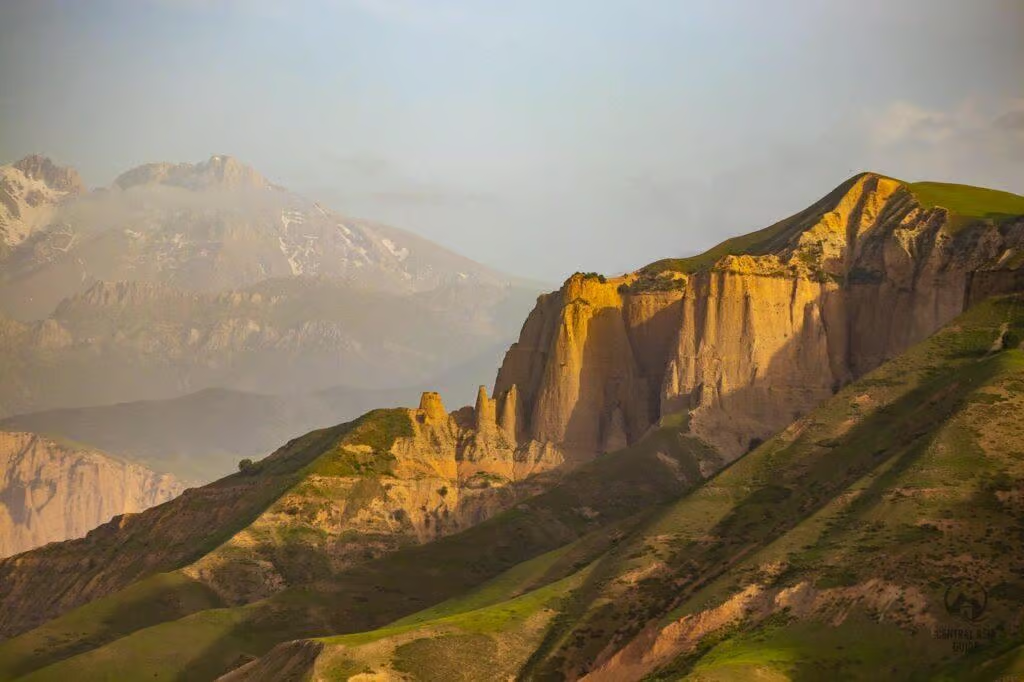 Natural Samarkand
Soaring limestone peaks, alpine passes, hidden walnut groves, and traditional mountain villages framing the southern horizon of Samarkand.
Looking for something beyond this monument? Discover a completely different historical or natural dimension of the region.
One of the world’s most breathtaking public squares, framed by three monumental tiled madrasas that established Samarkand as a global center of science and faith.
A sacred hillside necropolis boasting the most exquisite cobalt, turquoise, and lapis lazuli tilework in the entire Islamic world.
.jpg)
Include this landmark in a customized private or small-group journey combining ancient cities with Nuratau Mountain homestays.