
 Natural Samarkand
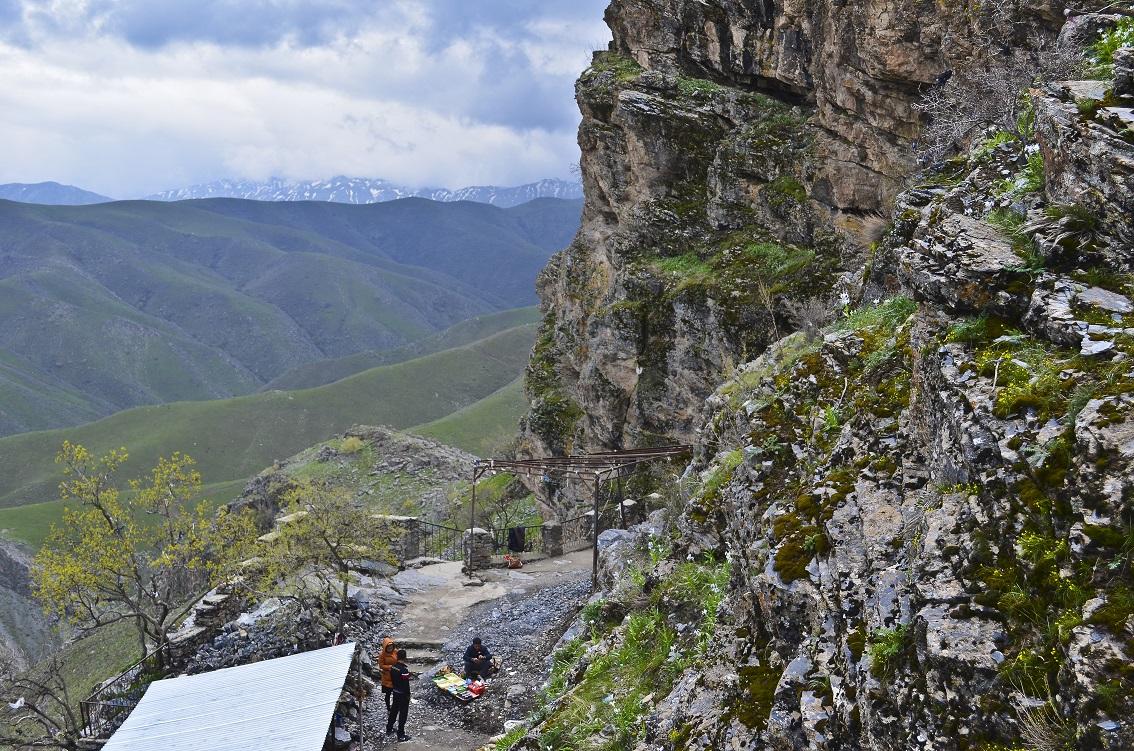
Hazrat Daud Cave
A sacred cave shrine nestled in the high cliffs of the Zarafshan range, reached by ascending over 1,500 rock-hewn steps with sweeping mountain vistas.
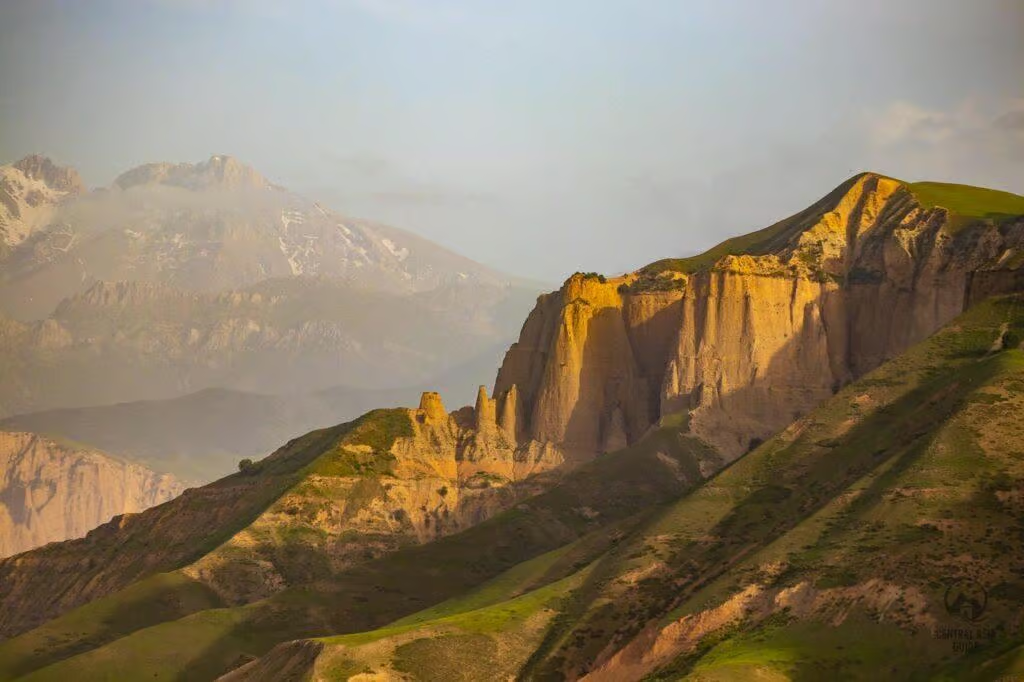
The Rugged Mountain Soul of the Region
Soaring limestone peaks, alpine passes, hidden walnut groves, and traditional mountain villages framing the southern horizon of Samarkand.
Southern and eastern border of Samarkand Region
Mountain Range, High Passes
Ancient mountain paths and pastoral traditions
Nature & ancient pastoral communities
Shepherding
Full-day excursion or multi-day trekking link
The Zarafshan mountain range (part of the Pamir-Alay system) forms the dramatic southern backdrop to Samarkand. Rising above 2,000 meters, it features breathtaking limestone crags, the scenic Takhta-Karacha mountain pass, and tranquil rural hamlets.
A rugged geological formation shaped over millions of years, traversed by mountain passes that merchants, armies, and pilgrims have negotiated since antiquity.
Maintained by shepherd families and mountain villagers whose stone-and-mudbrick hamlets are terraced along gushing snowmelt streams.
Pastoral grazing, fresh mountain water supply for the oasis below, and historic travel corridors connecting the Zarafshan valley to the Kashkadarya basin.
An engaging chronological story free from dry textbook jargon, focusing on how this place influenced the Silk Road.
Caravans once climbed these steep passes with armed guards to cross between Samarkand and Timur’s southern palace at Shakhrisabz. Today, roadside stalls at the mountain pass offer smoking skewers of mountain lamb, fresh sheep cheeses (qurt), and wild mountain herbs.
What to notice and look for when standing before this site.
Natural limestone formations, deep ravines, terraced walnut and apricot orchards, and traditional stone walls designed to withstand winter snows and spring torrents.
Activities and sensory experiences specifically relevant to this site.
Drive the winding switchbacks of Takhta-Karacha Pass with jaw-dropping canyon views.
Walk along stream banks through walnut orchards with local mountain guides.
Stop at roadside open-air ovens to taste mutton slow-roasted with mountain fir needles.
The historical, scientific, or cultural takeaways that enrich your understanding of Central Asia.
How Samarkand's urban survival for three millennia was directly dependent on Zarafshan watershed management.
Witnessing traditional transhumance: seasonal migration of flocks to high summer meadows.
Recommendations for teahouses, bakeries, artisan workshops, and walks in the surrounding neighborhood.
Connect south across the pass directly to Shakhrisabz, or link north toward our multi-day trekking homestays in the Nuratau Mountains.
Explore other regional landmarks that share historical or geographic connections with this site.
Natural SamarkandA sacred cave shrine nestled in the high cliffs of the Zarafshan range, reached by ascending over 1,500 rock-hewn steps with sweeping mountain vistas.
 Living Samarkand
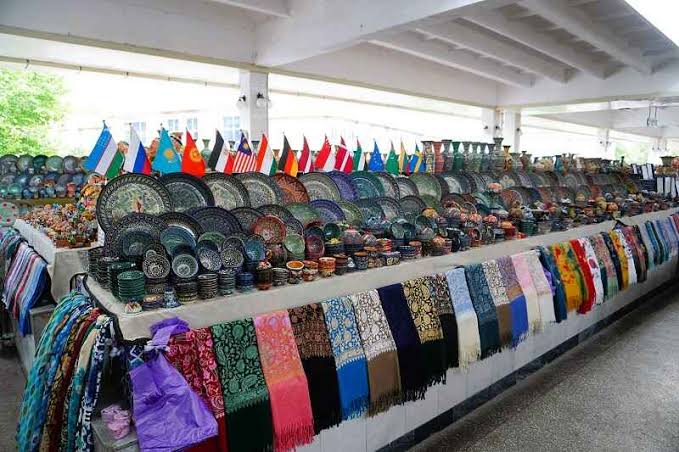
A captivating regional getaway at the foot of the mountains: the famous Sunday textile bazaar paired with a thousand-year-old grove of giant plane trees.
Looking for something beyond this monument? Discover a completely different historical or natural dimension of the region.
One of the world’s most breathtaking public squares, framed by three monumental tiled madrasas that established Samarkand as a global center of science and faith.
A sacred hillside necropolis boasting the most exquisite cobalt, turquoise, and lapis lazuli tilework in the entire Islamic world.
.jpg)
Include this landmark in a customized private or small-group journey combining ancient cities with Nuratau Mountain homestays.